
10 chapter books for second graders
Choose by how the child reads. Start with the page they can enter, then watch whether they ask for the next book.
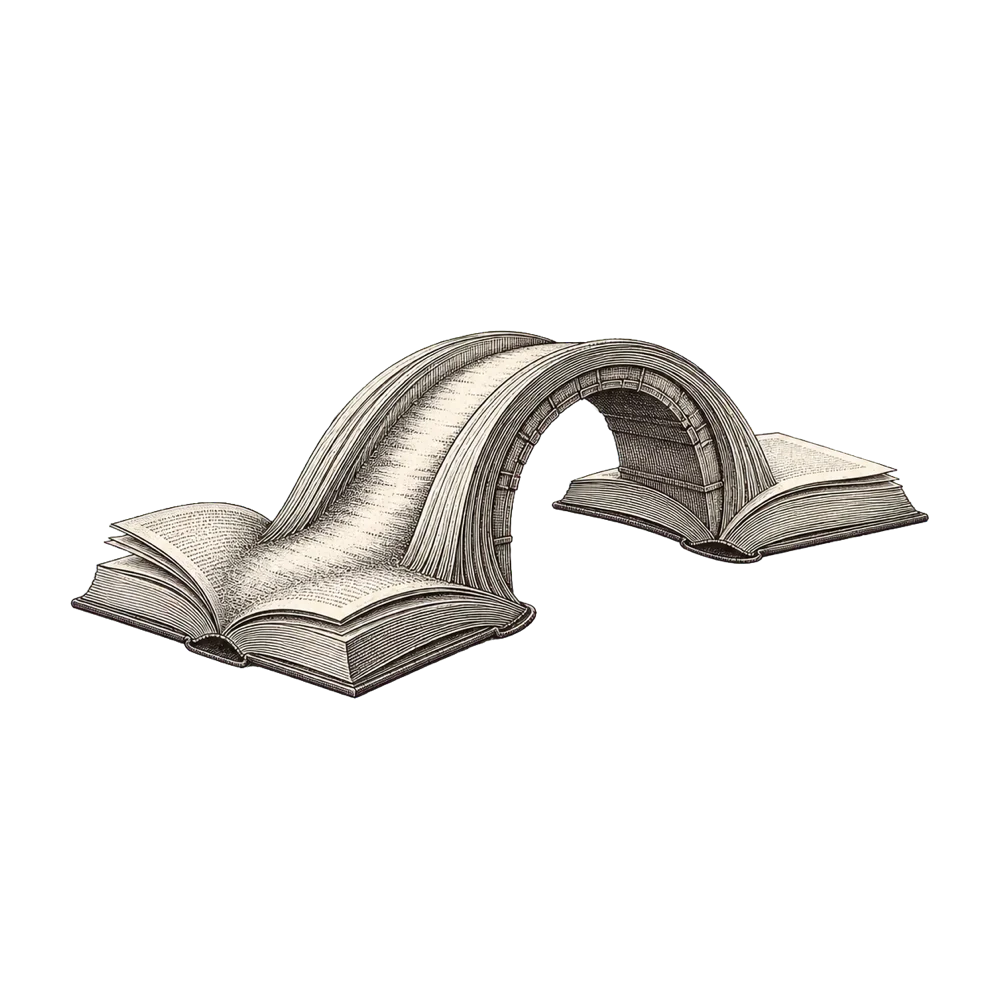
Start with the page, not the grade.
Start with Mercy Watson when prose chapters are new. Start with Narwhal when panels still carry the reading. Choose Dinosaurs Before Dark for a child ready to hold a longer thread. Choose The Bad Guys when laughter is the only door that opens.
Second grade is a place in school, not one reading level. Pictures, white space, fear, and interest can matter more than the number on a box.
First prose chapters
The pictures carry half the joke, but the story still arrives in chapters.
-
Mercy Watson to the Rescue
The Watsons’ bed starts sinking through the floor. Mercy, their toast-loving pig, leaves the rescue behind when breakfast calls. Large type, full-color pictures, and a household disaster make this the gentlest first prose win here.
The appeal: Try the first chapter together, then let the child take the next page if the words feel manageable.
Before you start: The humor is warm and low-stakes. A child asking for danger may shrug.
Edition: Candlewick hardcover, ISBN 9780763622701: 80 pages.
Next in the series: Mercy Watson Goes for a Ride
-
The Princess in Black
A monster alarm cuts short Princess Magnolia’s hot chocolate and scones. She changes into black, saves the goats, and races back before a nosy duchess learns her secret. The action is quick and the pictures keep it moving.
The appeal: Good for taking turns aloud when the action appeals but a whole chapter alone is tiring.
Before you start: A monster does threaten to eat goats, even though the fight is played for laughs.
Edition: Candlewick hardcover, ISBN 9780763665104: 96 pages.
Next in the series: The Princess in Black and the Perfect Princess Party
-
Eva’s Treetop Festival
Eva plans a school festival in eleven bright diary entries. Drawings, speech bubbles, and scrapbook pages break up the reading, while the friendship problem stays small enough to hold alone.
Before you start: Owl words such as “owlementary” are cute, but they can trip a child who is sounding out every word.
Let pictures lead
Panels count. Finishing a funny book is reading, not practice for reading.
-
Narwhal: Unicorn of the Sea
Narwhal meets a doubtful jellyfish, offers waffles, and makes a new friend across three small comics. One story ends with a favorite book whose pages are blank, so the reader has to imagine it.
Before you start: This is a warm comic snack, not one long plot. Pair it with prose later if stamina is the goal.
-
The Bad Guys
Wolf, Snake, Shark, and Piranha want to stop being the animals everyone fears. Their first good deed is rescuing 200 dogs. Big drawings and loud jokes can pull a wary reader through pages they would not touch in a quieter book.
Before you start: The predator jokes, swallowing gag, and potty humor are the draw. They are also the reason to skip it.
Ready for more text
These ask the child to carry more of the story between pictures.
-
Dinosaurs Before Dark
Jack and Annie climb into a tree house and land among dinosaurs. It is a short mystery with a clean next-book path, but the standard edition uses black-and-white art and asks for more prose reading than Mercy or Narwhal.
Before you start: There is real dinosaur danger and the fear that Jack and Annie may not get home.
-
Dragons and Marshmallows
Zoey finds a sick baby dragon and tests one idea after another until she understands what it needs. The experiment is the story, not a lesson pasted onto it. That makes this the pick for the child who asks what happens if we try again.
Before you start: Some pages are dense, and the sick dragon may worry a child who wants consequence-free magic.
-
Ivy + Bean
Two girls who expect to dislike each other become friends while hiding from Bean’s sister and planning a dancing spell with worms. The friendship feels messy and real, and the longer stretches of prose make it the biggest stamina step on this page.
Before you start: The revenge plot, lying, name-calling, and worms bother some grown-ups. The book does not tidy the girls into role models.
Follow the obsession
Some children will cross a harder page for exactly one thing. Use it.
-
Rise of the Earth Dragon
Drake is chosen to train an Earth Dragon and joins a school of other child Dragon Masters. Pictures appear throughout, and the promise of a dragon partner gives fantasy-loving readers a reason to start book two.
Before you start: The story is built for speed. A child who wants deep characters or a complete adventure may find it thin.
-
Rise of the Balloon Goons
Alexander moves to a town with a monster problem and gets attacked by balloons that steal air. The drawings are broad and funny, but the book means to be a first taste of horror, not a cozy monster joke.
Before you start: It includes graveyards, a morgue classroom, bullying, and creature attacks. Save it for the child who asks to be scared.
Book two is the test.
Do not make the first chapter book a test. Read the first chapter together, stop before it turns into work, and let the child abandon one book without losing the whole shelf. Asking for book two tells you more than the number on the cover.
Sources for editions, formats, and reading boundaries
Publisher pages establish named editions, pages, marketed age bands, and series placement. Professional reviews support format and content notes. A publisher age band or librarian grade band does not promise independent fit for one child.
-
Publisher authority: Mercy Watson to the Rescue
Candlewick establishes the author, illustrator, first-series position, 80-page edition, and marketed age band. The age band is not a promise that every second grader can read it alone.
-
Publisher authority: The Princess in Black
Candlewick establishes the 96-page first volume, creators, premise, and marketed ages. Its hosted praise supports the comic-action framing, not a universal fear boundary.
-
Publisher authority: Dinosaurs Before Dark
Penguin Random House establishes the standard edition, series starting point, page count, and publisher reading metadata. Those numbers describe a product; they do not decide one child’s readiness.
-
Edition authority: Dinosaurs Before Dark in full color
This separate publisher record confirms that the full-color version is a distinct edition. Readers should not assume that every copy has the same art treatment.
-
Publisher authority: Dragon Masters
Scholastic establishes Dragon Masters as a Branches series for newly independent readers and identifies Rise of the Earth Dragon as the starting book. That positioning is publisher guidance, not an assignment by grade.
-
Professional review: Eva’s Treetop Festival
Publishers Weekly supports the diary form, visual variety, 80-page reviewed edition, and early-reader tone. Its age recommendation is professional judgment, not a fit guarantee.
-
Library review: Dragons and Marshmallows
School Library Journal supports the illustrated format, glossary, STEM-fantasy mix, and grades 1–3 collection recommendation. A library review band is not a publisher level or a verdict for one child.
-
Professional review: Narwhal: Unicorn of the Sea
Publishers Weekly establishes the 64-page reviewed edition and three-story graphic form. Its tone judgment does not prove that a child wants a short comic instead of one long plot.
-
Publisher authority: The Bad Guys
Scholastic establishes the creators, first-series position, illustrated format, and rescue premise. Publisher copy does not decide whether the predator and potty jokes fit a household.
-
Professional review: Rise of the Balloon Goons
Kirkus supports the 96-page reviewed edition, balloon attack, and light-horror framing for ages 8–10. That age judgment remains a review, not a promise against bedtime fear.
-
Publisher authority: Ivy + Bean
Chronicle Books establishes the paperback edition, creators, series position, and friendship premise. The publisher record does not measure reading stamina or settle reactions to the girls’ mischief.
-
Mercy Watson’s second book
The publisher identifies the next series volume; use its sample to compare the page layout before buying.
-
The Princess in Black’s second book
The publisher identifies book two and its 96-page hardcover edition.
Three questions grown-ups ask
What is the safest first prose chapter book here?
Start with Mercy Watson. Its large type, full-color pictures, short comic problem, and gentle danger make it the smallest jump from picture books.
Do graphic novels count as chapter books?
The label matters less than the reading. Narwhal and The Bad Guys use panels, pictures, and dialogue to carry meaning. They can build confidence and volume even though they are not conventional prose chapter books.
How do I know when to try a book with more text?
Watch what the child does, not the number on the cover. If they finish short books without a fight and ask for the next one, try Dinosaurs Before Dark or Ivy + Bean. If every page becomes work, go back to more pictures.